4-weekahead
Demand forecasts with calibrated confidence bands
Complete Contact Data
Property owner name, phone number, email address, property details, and permit context so your team is not cold calling random addresses.
Connect with homeowners who just pulled permits. Our predictive intelligence reveals what they will need next before your competition even knows.
Demand forecasts with calibrated confidence bands
Property owner name, phone number, email address, property details, and permit context so your team is not cold calling random addresses.
Know when to contact each prospect based on permit approval timelines, inspection windows, and construction phases.
See what homeowners are likely to buy next with 3-6 month advance predictions and a cross-sell opportunity calendar.
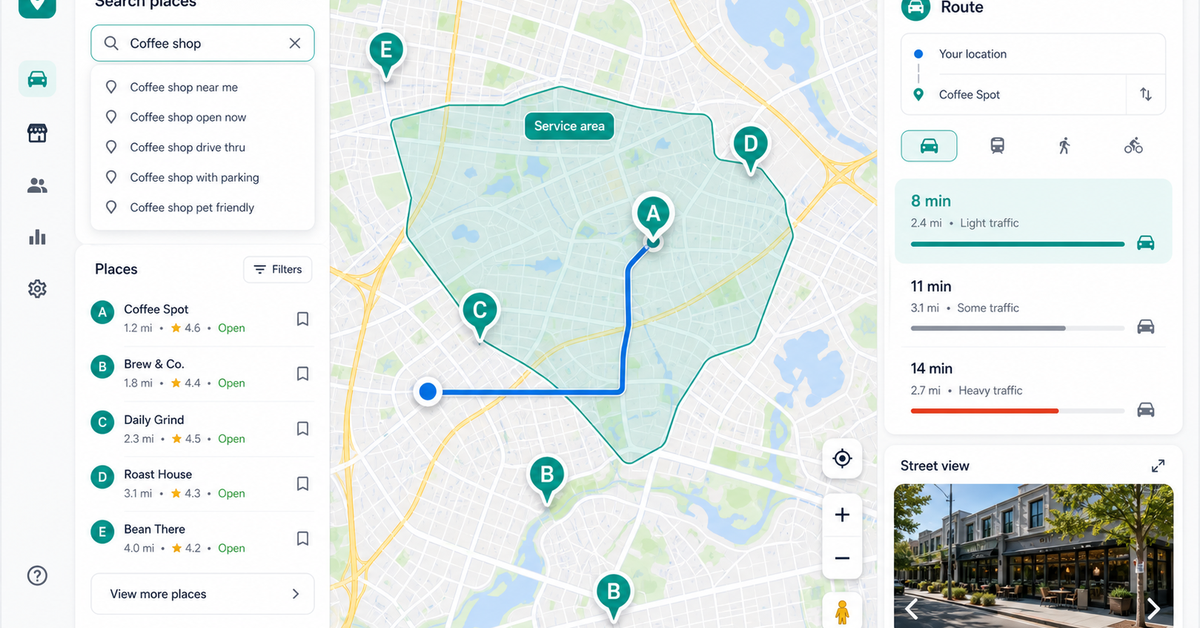
Draw service areas on maps, search by ZIP code, or set a radius around addresses for precise homeowner targeting.
Receive permit alerts within 24 hours of government filing, with real-time data updates as new records appear.
Track response rates, conversion metrics, booked jobs, and ROI so your lead generation strategy improves each week.
HVAC permit leads, homeowner contact data, HVAC lead generation, and predictive permit intelligence.
Owner name, phone, email, property details, and permit context in one lead record.
Approval timelines, construction phases, and 3-6 month cross-sell opportunity calendars.
Map-drawn areas, ZIP codes, radius targeting, 24-hour alerts, and conversion analytics.
Bring the closest real workflow. We map what you send, what your team reviews, what evidence stays visible, and what you receive at handoff.
Service area, target ZIP codes, radius rules, ideal jobs, permit categories, and any historical win data you can share.
We match permits to owner contact data, score timing by approval and construction phase, and rank future HVAC opportunities.
Each lead shows contact fields, property details, permit source, timing rationale, prediction window, and recommended action.
24-hour permit alerts, prioritized lead list, map targeting view, opportunity calendar, CSV, and performance report.
Lead quality improves when permit data, contact enrichment, and conversion history are reviewed together.
Contact availability varies by jurisdiction and data source; we show source context and delivery confidence.
Permit filings, property records, contact enrichment, approval timelines, construction phases, territory rules, and performance data.
Source notes, contact coverage, timing rationale, prediction windows, and sales review points.
24-hour permit alerts, prioritized lead list, map targeting view, opportunity calendar, CSV, and performance report.
No vague discovery phase. You bring four or five things, we return a specific plan you can evaluate.
No open-ended retainers. No "discovery phases" that bill for months without producing anything you can evaluate.
Your service history (12+ months ideal), territory boundaries, and any seasonal context. We assess data quality and recommend baselines.
Foot-traffic signals from Foursquare + Overture, weather, demographic, and competitor data combined with your service history. Tuned to your geography.
Action-oriented view: recommended staffing levels, route assignments, expansion candidates. Not a raw model output — a decision surface.
Monthly retraining on accumulated data. Model drift surfaced automatically. We can transfer the pipeline or keep operating it under SLA.
These open the real, interactive demos on our main site — not screenshots, not videos. Click around before you decide to talk to us.
Each qualified lead can include property owner name, phone number, email address, property details, permit details, project type, filing date, and the signals behind the timing recommendation.
The goal is delivery within 24 hours of government filing, with updates as records change. Timing depends on the municipality's publishing cadence, but the system is built for fast alerting once data is available.
You can draw areas on a map, search by ZIP code, set a radius around an address, or define priority territories around service branches, crews, or high-value neighborhoods.
We score permit type, approval timeline, construction phase, property context, and renovation sequences to predict likely HVAC needs and cross-sell opportunities three to six months ahead.
Forecasting and automation for logistics, retail, and field-service teams that need to plan ahead, not react —…
Not surveys. Not estimates. Real foot traffic — built for CRE teams, retail strategists, and franchise operato…
Dispatch optimization, container tracking, and demand prediction built for roll-off dumpster companies — runni…
We turn inspections, asset inventories, environmental sampling, construction checks, and field surveys into mo…
Bring a territory or trade area. We will pull real foot-traffic data and a demand forecast on the call so you can evaluate the signal before any engagement.
Map my HVAC service area